 Trekking CougarsChoosing & Chasing Mountains
By Javed Ahmed — Trekking Cougars, Kashmir ✓ Kashmir Trek Specialist
KGL Max Altitude
Tarsar Marsar Max
KGL Distance
Tarsar Marsar Distance
The Kashmir Great Lakes vs Tarsar Marsar question is the one I get asked more than any other. Main Srinagar ka rehne wala hoon. Kashmir is my home — not something I read about in a guidebook. I live here, and I have led multiple batches on both the Kashmir Great Lakes trek and the Tarsar Marsar trek. So when I write this, I am not comparing two treks from a spreadsheet. I am comparing two routes I know the way I know my own city.
The Kashmir Great Lakes vs Tarsar Marsar comparison matters because both treks are in Kashmir, both have alpine lakes that will stop you mid-step, and on paper they look similar. But the experience of walking them is completely different. One is about scale — seven lakes, three passes, 75 kilometres, the landscape changing every single day. The other is about stillness — fewer lakes, shorter days, and the rare feeling of actually settling into a place before moving on.
This guide will help you make the right call. Not the popular call. The right one for your fitness, your experience level, and what you are actually looking for when you go to the mountains.
Table of Contents
ToggleKashmir Great Lakes vs Tarsar Marsar — The Numbers
Before anything else, here are the verified facts side by side so you are working with accurate information.
| Kashmir Great Lakes | Tarsar Marsar | |
|---|---|---|
| Duration | 7 days | 7 days |
| Max Altitude | 13,800 ft — Gadsar Pass | 13,165 ft — Marsar Ridge |
| Distance | 68–80 km | ~50 km |
| Difficulty | Moderate to Difficult | Moderate |
| Starts At | Sonamarg / Shitkari (8,858 ft) | Aru Village (7,960 ft) |
| Ends At | Naranag village | Aru Village (loop) |
| Passes | 3 — Nichnai (13,229 ft), Gadsar, Zaj | 1 — Marsar Ridge (13,165 ft) |
| Lakes | 7 — Vishansar, Krishansar, Gadsar, Satsar, Gangabal, Nundkol + more | 3 — Tarsar (12,467 ft), Sundarsar (12,945 ft), Marsar |
| Daily Walking | 7–8 hours, 10–13 km/day | 5–7 hours, 5–10 km/day |
| Best Season | July to mid-September | July to September |
What Kashmir Great Lakes Actually Feels Like
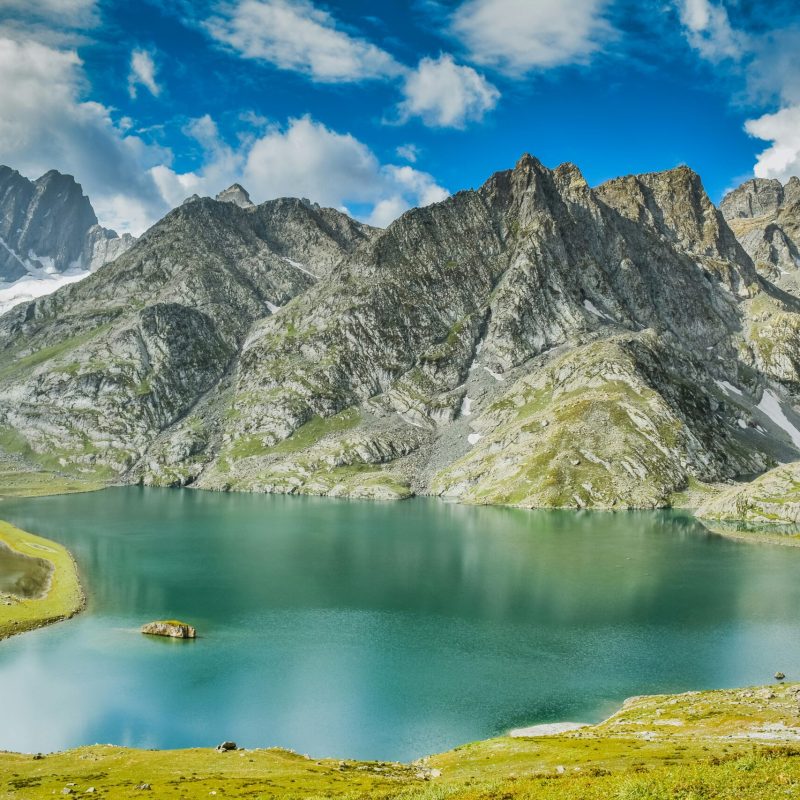
The Kashmir Great Lakes trek is the biggest lake trek I have done anywhere. Seven lakes in seven days, across three mountain passes, covering up to 80 kilometres. There is nothing like this in India.
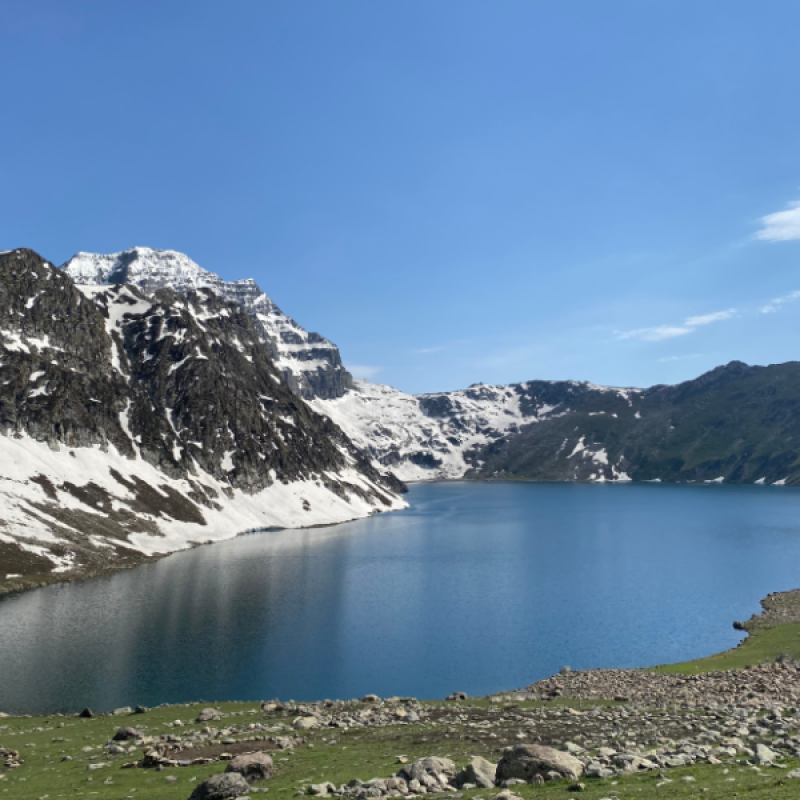
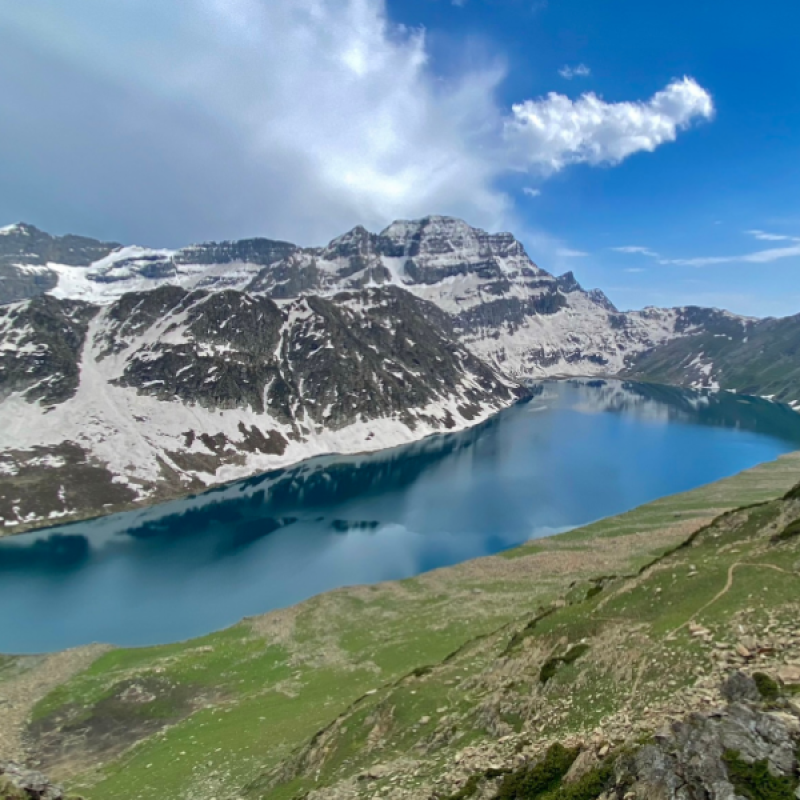
You start at Sonamarg, already one of the most beautiful valleys in the country. The first day is a walk to Nichnai. Then Nichnai Pass at 13,229 feet, and suddenly Vishansar Lake opens up — turquoise, still, surrounded by snow peaks. Hindus believe this lake is connected to Lord Vishnu. I am not Hindu, but I understand why they feel that. There is something about that water that makes you quiet.
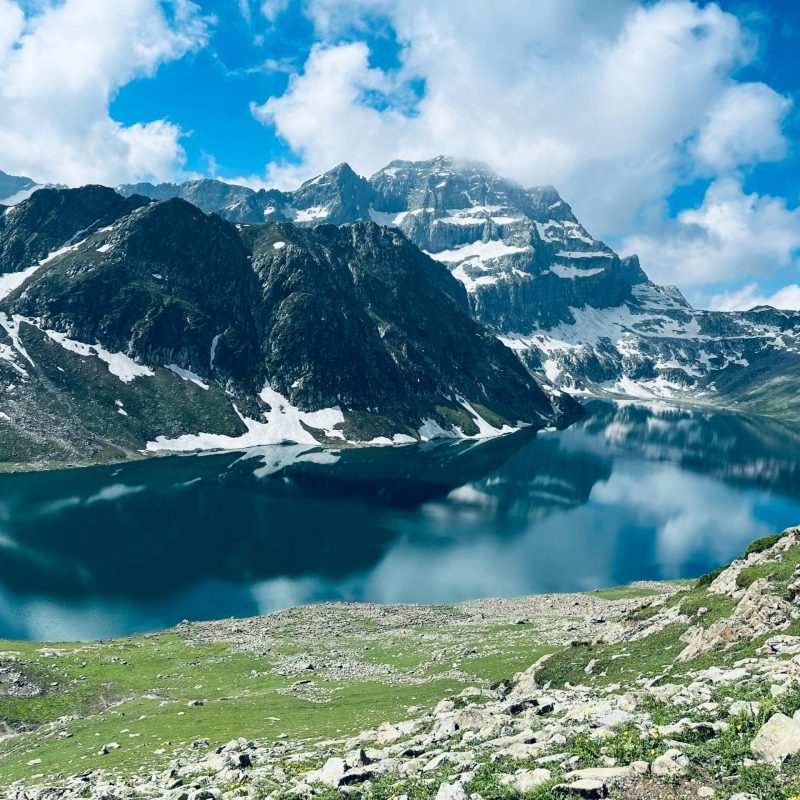
And it does not stop there. Krishansar next day. Then Gadsar Pass at 13,800 feet — the hardest section, steep, long, your lungs earning every step — and Gadsar Lake below. Then Satsar. Then Gangabal and Nundkol at the end, with Harmukh peak towering above them. Each lake looks different. Each campsite feels different. That is what makes the Kashmir Great Lakes trek extraordinary — it never stops giving you something new.
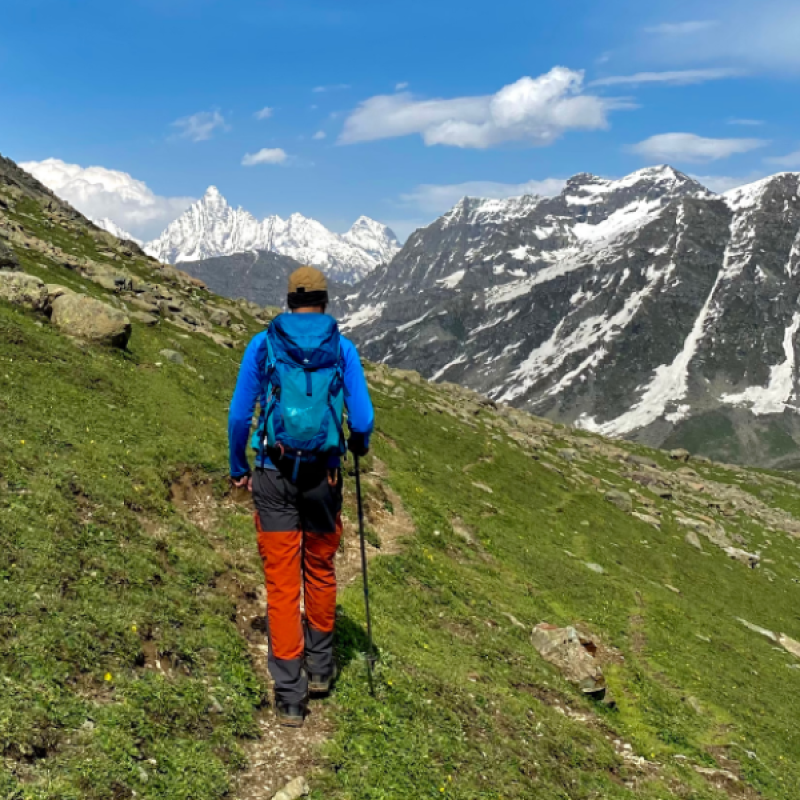
The challenge is real though. You walk 7 to 8 hours a day. By Day 5, your body knows it. The trail is long and the altitude is sustained — you are above 11,000 feet for most of the trek. I tell every group before we start: this is not a casual walk. Come prepared and come fit.
What Tarsar Marsar Actually Feels Like
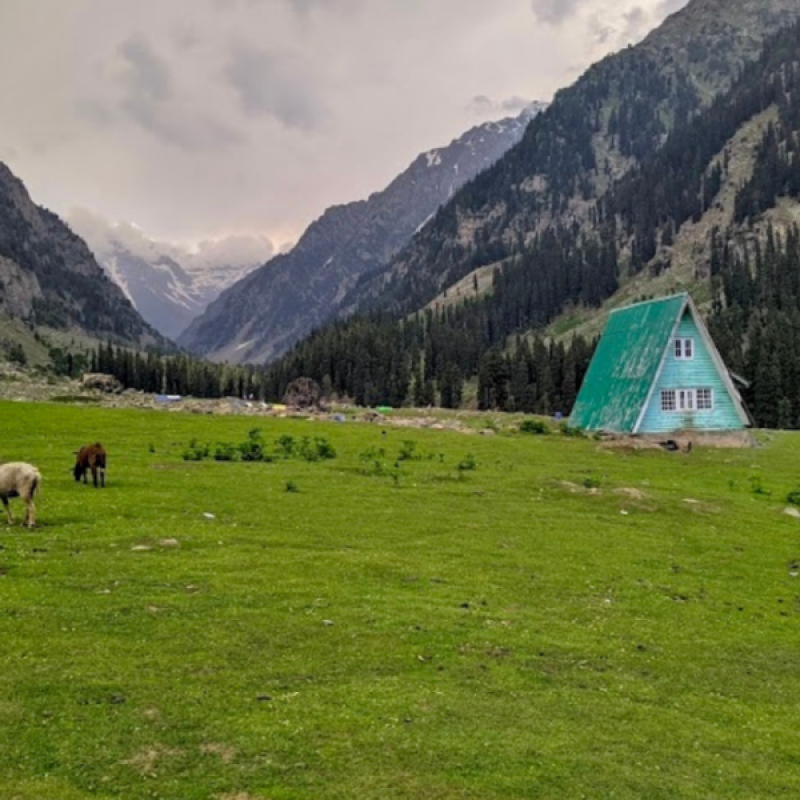
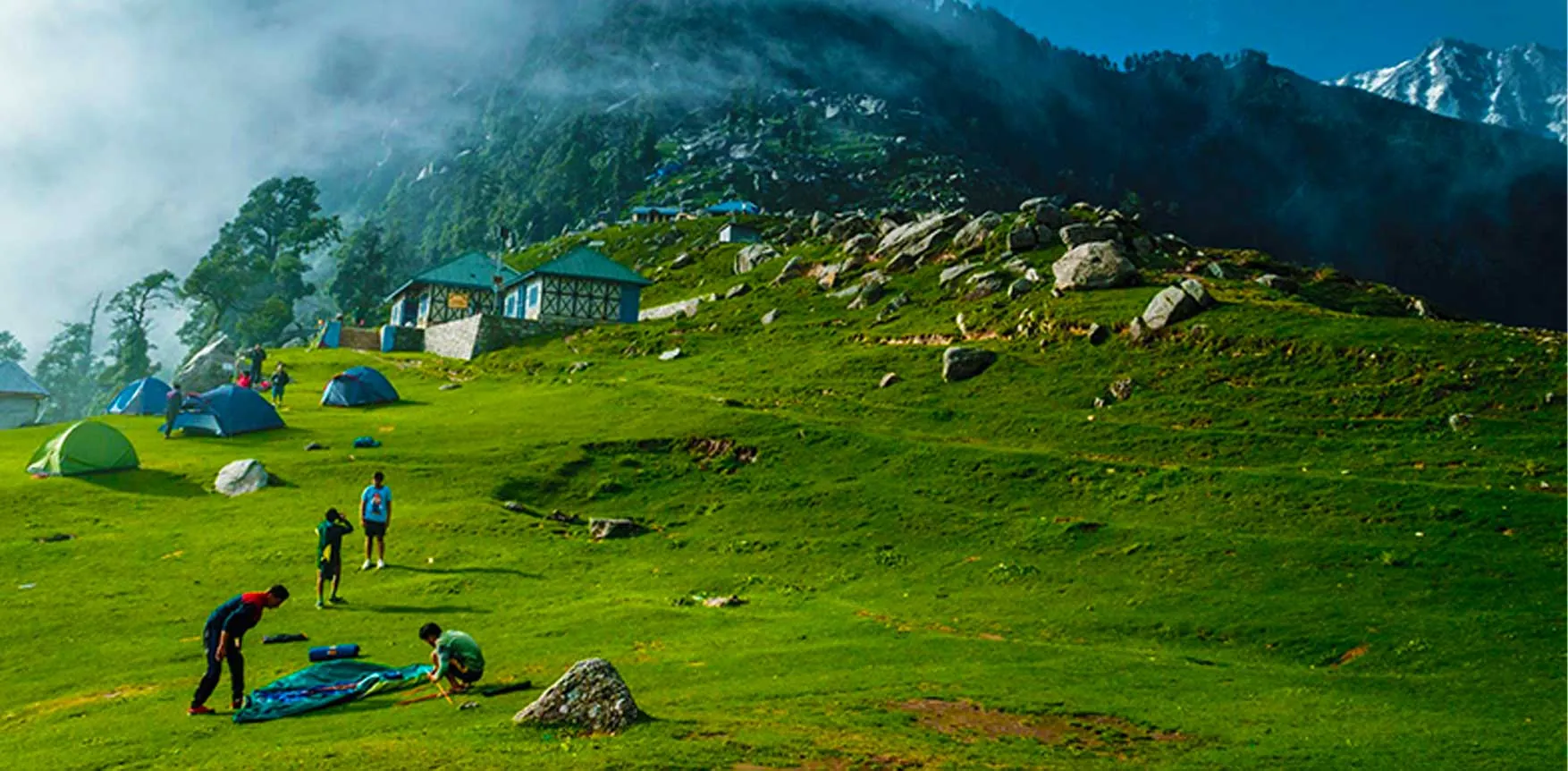
Tarsar Marsar starts from Aru Village near Pahalgam — a small, quiet place in the Lidder Valley with pine trees, a river, and Bakarwal shepherds passing through with their flocks. You spend your first night there and already feel far from the world.
Day 2 is the walk to Lidderwat — 10 km through dense Deodar and pine forest along the Lidder river. Easy, beautiful, a good day to find your rhythm. Day 3 to Shekwas meadows. Day 4, Tarsar Lake at 12,467 feet.
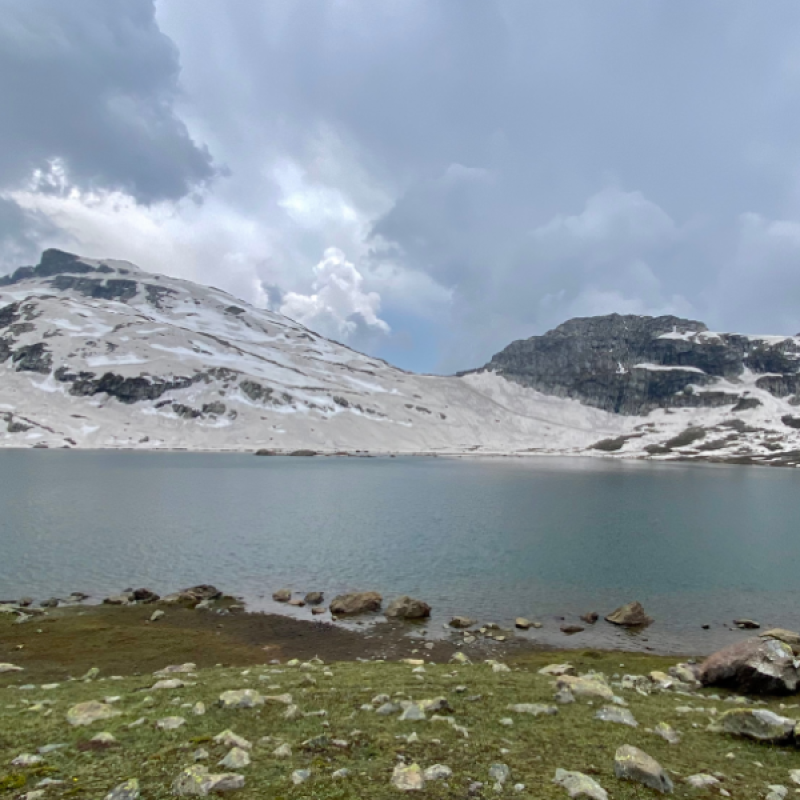
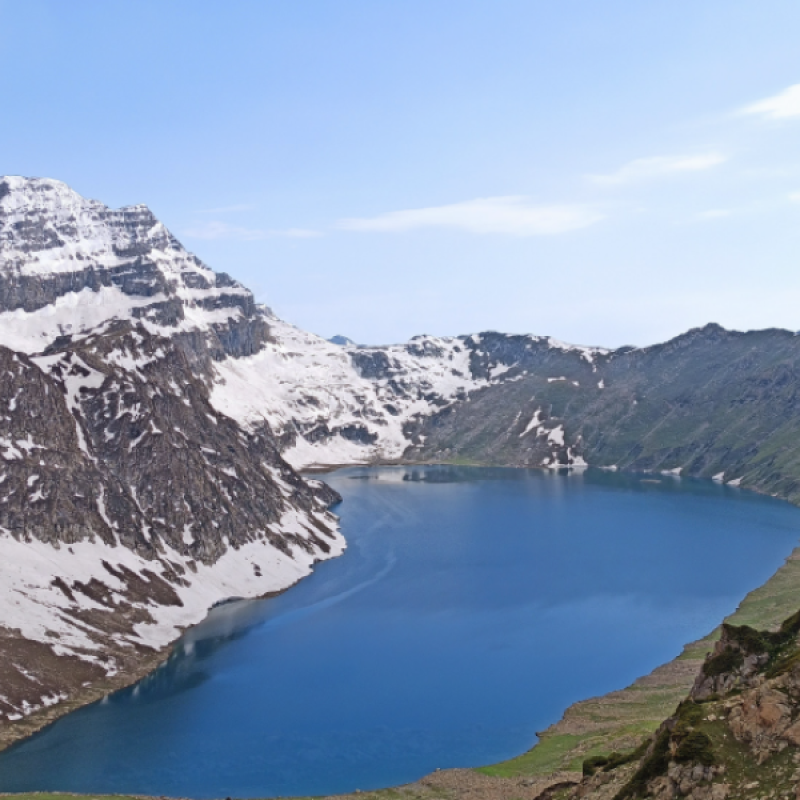
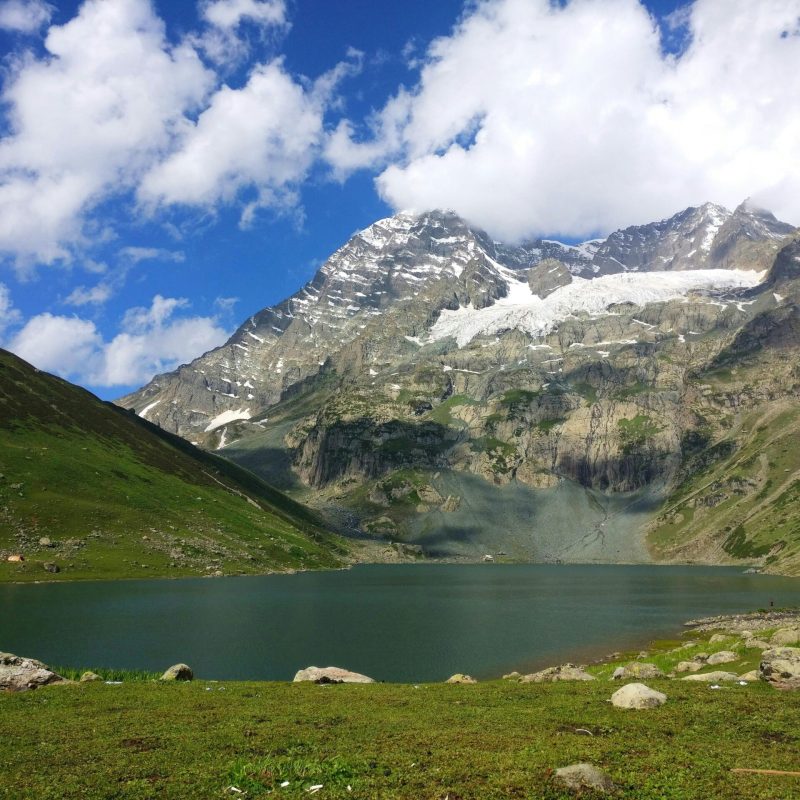
Yaar, Tarsar Lake. I have been there many times and I still feel something when I see it. Almond shaped, deep blue, completely silent. You camp right at the edge of it. In the morning when the light first hits the water and the peaks start glowing — nobody is talking. Everyone is just watching.
From Tarsar you move to Sundarsar Lake on Day 5, then Day 6 takes you up the Marsar Ridge at 13,165 feet for a view of Marsar Lake — a smaller, wilder lake sitting in a fold of the mountain. Not everyone gets a clear view of Marsar. But those who do remember it differently from everything else. The last day walks you back down 13 km to Aru. Bring trekking poles — that descent is hard on the knees.
Trekking in Kashmir — Let Me Address This Honestly
Main Srinagar ka rehne wala hoon. My family is here. I guide in these mountains every season. So when I say a trek is running safely, I am not saying it from a brochure — I am saying it from ground-level knowledge.
The high-altitude trekking zones — Sonamarg for Kashmir Great Lakes and Aru for Tarsar Marsar — are monitored by the Indian Army and ITBP. Both routes have checkposts where original government-issued photo ID is mandatory. Carry Aadhaar, passport or driving licence with two photocopies. Always trek with a registered, experienced operator who monitors current ground conditions and is in active contact with local authorities before every batch.
For official advisories before your trip, refer to the J&K Tourism official website. Thousands of trekkers complete both routes every season. The right operator and proper preparation are what keep you safe — same as any trek in the Himalayas.
Original government photo ID (Aadhaar / Passport / Driving Licence) + 2 photocopies. Without original ID you will not be allowed past army checkposts on either route. No exceptions.
The Real Difference Between Kashmir Great Lakes and Tarsar Marsar
The Kashmir Great Lakes vs Tarsar Marsar comparison is not really about altitude or distance. It is about what kind of experience you want from the mountains.
Kashmir Great Lakes is about movement. Seven lakes, three passes, a new landscape every day. You never settle into any one place — but the cumulative effect of everything you see across those seven days is staggering. People who do the Kashmir Great Lakes trek often say it was the most beautiful week of their lives.
Tarsar Marsar is about stillness. You camp beside Tarsar Lake and you actually rest there. You watch the light change on the water. You sit outside your tent in the morning with chai and do nothing for a while. The trek has a gentler rhythm — fewer kilometres per day, more time to breathe.
One is a grand tour of Kashmir’s high altitude world. The other is a quiet retreat inside it. Both are Kashmir at its most honest. The Kashmir Great Lakes vs Tarsar Marsar question ultimately comes down to this: do you want to cover ground, or do you want to sit with one place for a while?
When people ask me about Kashmir Great Lakes vs Tarsar Marsar for a first Kashmir trek — I always say do Tarsar Marsar first. Understand how your body handles altitude in Kashmir. Experience the Lidder Valley. Then come back for Kashmir Great Lakes the following year with that confidence already in you. KGL rewards people who can move through it without fighting it. Tarsar Marsar prepares you for exactly that.
Who Should Do Which Trek
After years of leading both routes, here is my direct answer on the Kashmir Great Lakes vs Tarsar Marsar choice:
- First Kashmir trek
- 1–2 prior treks at any altitude
- You want lakes without punishing daily distances
- Moderate fitness — comfortable with 10 km/day
- You prefer fewer people on the trail
- You want to sit with a place, not move through it
- Prior experience above 11,000 feet
- Strong fitness — 7–8 hours walking per day
- You want the complete Kashmir high-altitude experience
- Seven lakes and three passes sounds exciting not exhausting
- 8 full days available with no time pressure
- You want one of India’s greatest treks, definitively
When to Go for Each Trek
Both the Kashmir Great Lakes trek and Tarsar Marsar trek run from July to mid-September. Outside this window the passes are under snow and routes are inaccessible.
July — Snow still on passes. Wildflowers at peak bloom. More physically demanding due to snow sections. Beautiful but harder.
August — Peak season. Passes clear, lakes fully visible, meadows lush. Most crowded window — especially on Kashmir Great Lakes. Still the best all-round month for most trekkers.
September — My personal favourite for both treks. Crowds thin out, skies clear completely, temperatures drop to the right level. Lakes are at their deepest colour. Outstanding for both routes.
Mobile network — Extremely limited on both routes once you leave Sonamarg or Aru. Inform your family before you start and give them your return date. Do not plan on staying connected during the trek.
Cost of Kashmir Great Lakes vs Tarsar Marsar
In the Kashmir Great Lakes vs Tarsar Marsar cost comparison, Kashmir Great Lakes packages typically run between ₹14,000 and ₹22,000 per person from Srinagar, covering guide, camping, all meals on trail and permits. Tarsar Marsar packages run between ₹12,000 and ₹18,000. The difference reflects the extra logistical complexity of Kashmir Great Lakes as a point-to-point route. Flights to Srinagar are additional for both treks. For our current batch prices, contact us directly on WhatsApp.
Frequently Asked Questions — Kashmir Great Lakes vs Tarsar Marsar
+
+
+
+
+
A Last Word from Someone Who Calls Kashmir Home
People sometimes come to Kashmir with fear in their minds — fear collected from news cycles and WhatsApp forwards from people who have never been here. And then they arrive. They drive through the Sindh Valley to Sonamarg or through the Lidder Valley to Aru. And something settles in them. Because this place is exactly what it looks like in photos — and somehow even more.
I have watched people from Delhi, Bengaluru, Chennai and Pune stand at the edge of Vishansar Lake or beside Tarsar and go completely quiet. That quietness is what Kashmir does. Both the Kashmir Great Lakes trek and Tarsar Marsar will give you that feeling. The Kashmir Great Lakes vs Tarsar Marsar question is a practical one — which one to do first, which one suits your fitness. But the real answer is: come to Kashmir, do one, and come back for the other. The valley will be here. I will be here. And the lakes don’t go anywhere.